Provost and Vice-President Academic
Dr. Gordon James Binsted, Provost and Vice-President Academic, provides leadership for TRU’s academic operations, including teaching and learning, research, and students.
Governance at TRU is divided into three bodies responsible for corporate and academic decision-making
The Board of Governors makes decisions on such matters as property development, labour and finance. The Senate and the Planning Council for TRU Open Learning make decisions on such matters as curriculum, credentials, admissions and educational policies. The composition, powers and duties of each governing body are legislated by the Province of British Columbia.
Legislation and AccreditationCorporate decisions
The Board of Governors is responsible for the management, administration and control of the property, revenue, business, and affairs of the university, except those affairs vested in the Senate or the Planning Council for TRU Open Learning.
Academic decisions
The Senate is responsible for the academic affairs of the university. The Senate sets criteria for awarding credentials, curriculum content, qualifications for admission, and educational policies and procedures.
Policy and procedures
TRU policies and regulations are developed by the Board of Governors, Senate, and Planning Council for TRU Open Learning. The President’s Council develops operational policies.
TRU is a public post-secondary institution, funded by the Province of British Columbia through the Ministry of Post Secondary Education and Future Skills. The University Act legislates the leadership of the university, including the powers, duties and offices of the president. The president holds the offices of vice-chancellor, member of the Board of Governors and chair of the Senate.
Dr. Airini, the President and Vice-Chancellor, is the chief executive officer, responsible to the Board of Governors and Senate for the supervision of TRU's administrative and academic work.
Learn more Meet the executive teamDr. Gordon James Binsted, Provost and Vice-President Academic, provides leadership for TRU’s academic operations, including teaching and learning, research, and students.
Matt Milovick, Vice-President Administration and Finance, provides leadership for TRU’s administrative operations, including services, resources, and reporting.
The Office of the General Counsel and Secretariat represents the legal interests of the university and its officers and employees while acting on TRU's behalf.
Baihua Chadwick, Vice-President Students and Global Engagement, is responsible for student services and the overall student experience, as well as TRU World, including international marketing, recruitment, student support, international partnerships, contract training and student mobility.
Dr. Shannon Wagner, Vice-President Research, develops partnerships with other universities, institutes, foundations, and organizations; accesses new resources and funding for TRU; and develops opportunities that benefit both faculty and students.
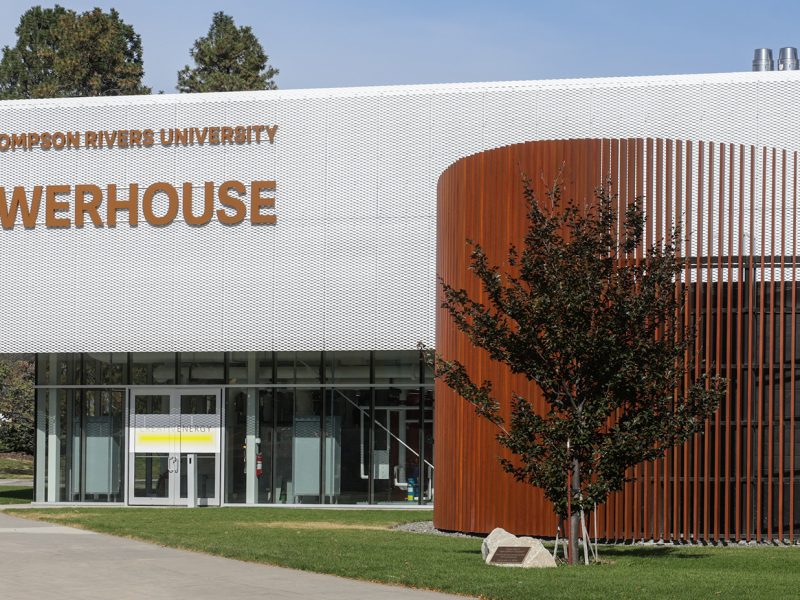
TRU celebrated completion of its Powerhouse and Low-Carbon District Energy System, an important step toward reaching zero carbon by 2030.
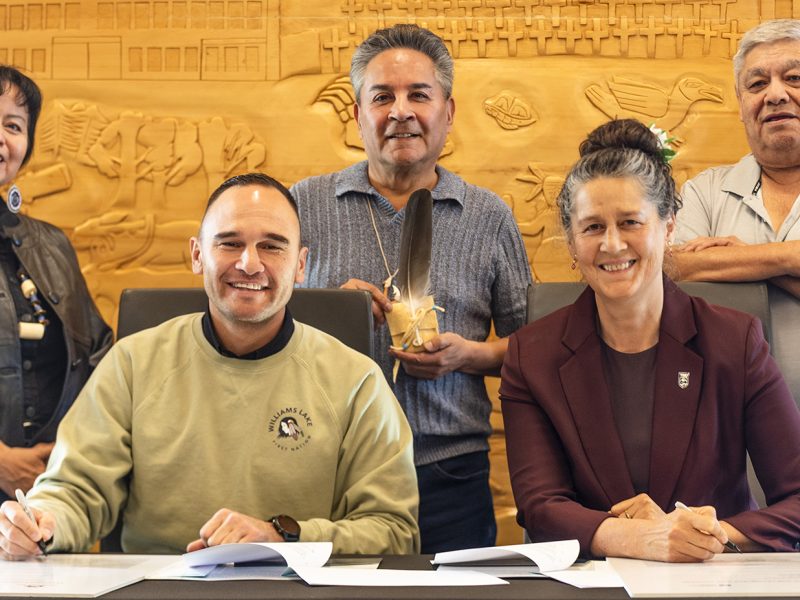
A new agreement with WLFN establishes a framework for joint decision-making and collaboration on academic programming and research.

TRU places 17th among 19 Canadian universities in the mid-size category in the 2027 Maclean's University Rankings.
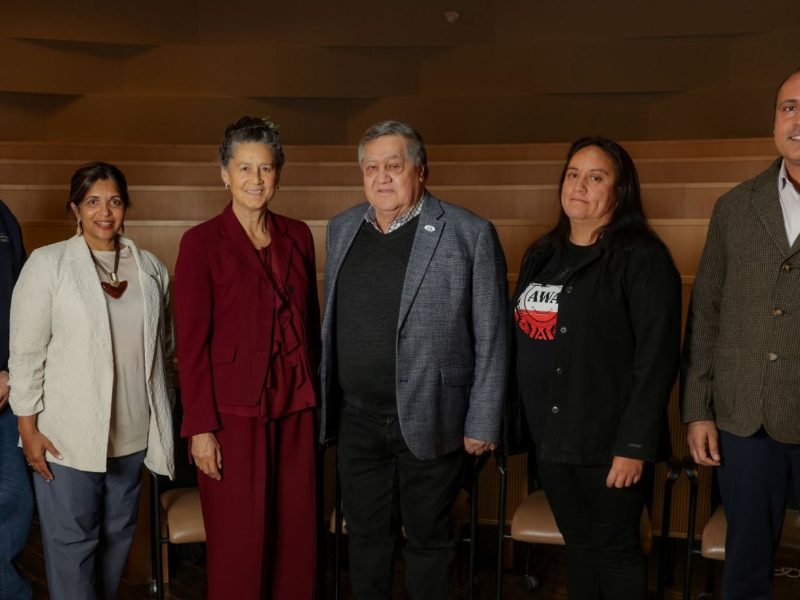
Distinguished Professor Graham Hingangaroa Smith shows how Indigenous research can transform education and drive meaningful change.